

Department of Psychology

Department of Psychology

Graduate Program

Description of the Program:
Areas of Study

Lifespan Development Field

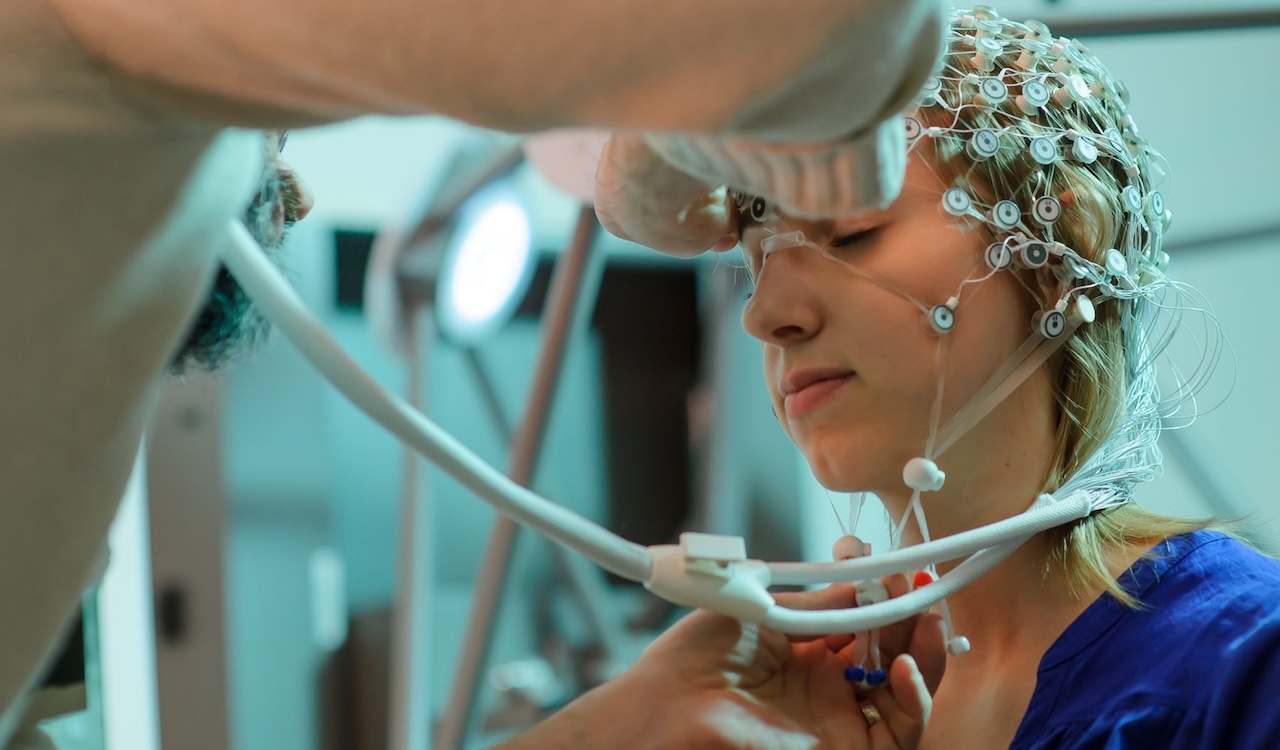
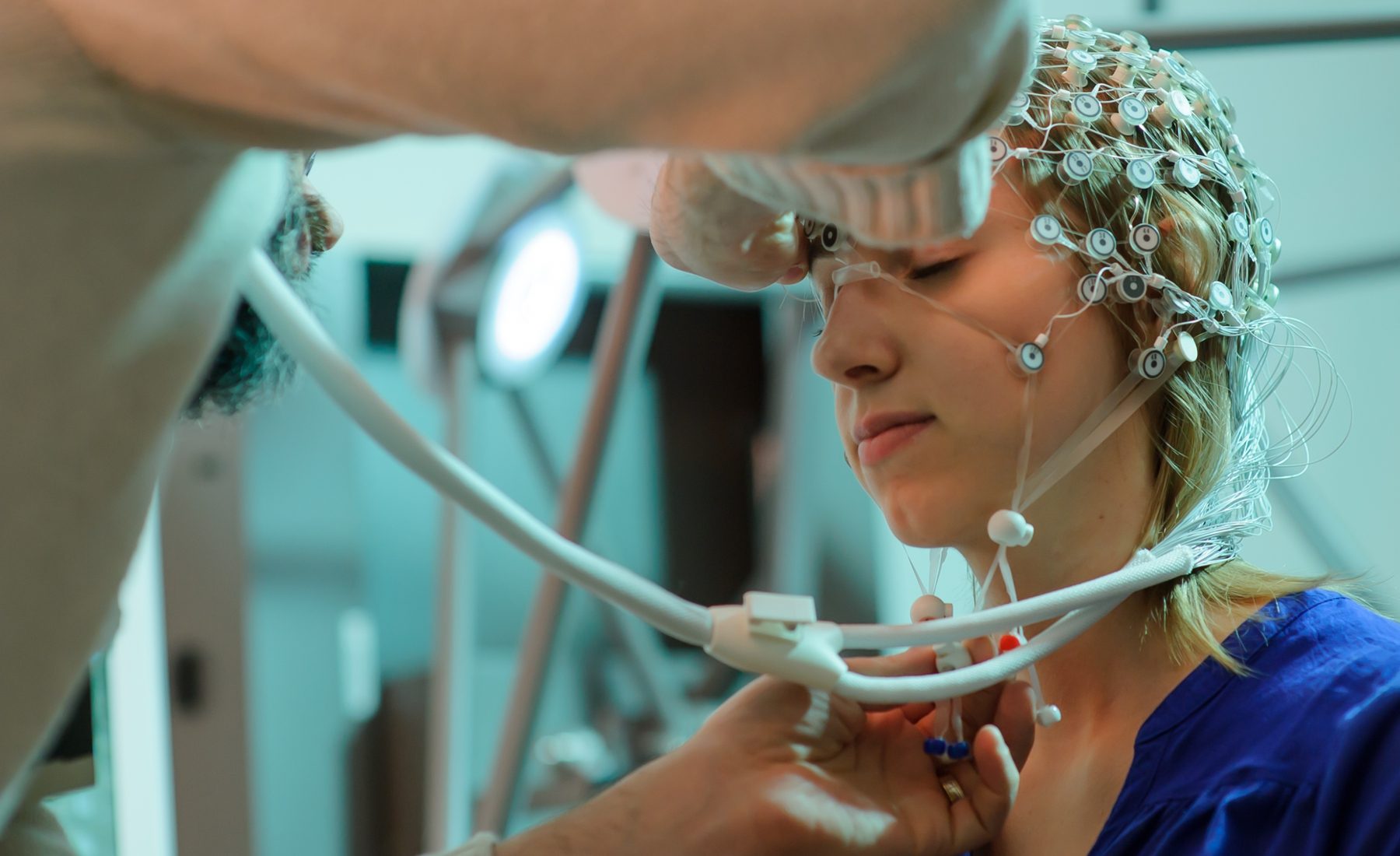
The Developmental program at Brock University provides opportunities for graduate students to study social, emotional, cognitive and neuropsychological development from a variety of perspectives in both typically and atypically developing individuals across the lifespan. Collectively, our faculty use a variety of techniques to study development, including psychophysiological (e.g., EEG/ERP, cortisol, heart rate), behavioural measures in laboratory settings, structured observations in a simulated home environment, analysis of large-sample community-based databases, computerized tasks designed to measure perceptual and intellectual development and psychophysiological markers of arousal in the context of social interaction.

Individual students in developmental psychology typically specialize in a particular area of development (e.g., social cognitive, perceptual, psychopathology) or in a particular developmental stage. However, we are committed to enabling students to study development using an interdisciplinary approach, exemplified by research opportunities with developmental faculty in Behavioural Neuroscience who use electrophysiological and psychophysiological indices of memory, attention, and arousal within a developmental context.

Additional opportunities are available through associations with the Faculty of Education and in Brock's interdisciplinary Department of Child and Youth Studies. Developmental research is also emphasized in the Centre of Excellence for Youth Engagement and the Youth Lifestyle Choices - Community-University Research Alliance (YLC-CURA) described under "Special Features" below. These associated departments and research initiatives provide unique opportunities for research and thesis collaboration.

Goals of the Program

To prepare students to be at the forefront of research and its application by providing both a broad background in developmental principles and expertise of contemporary approaches to the understanding of human development. We are committed to training outstanding students for independent applied or basic research careers in academic, public or private institutions. Students work closely with a faculty mentor and a supervisory committee; they are encouraged to pursue opportunities to conduct research with other faculty members and graduate students in order to achieve breadth. Students are expected to disseminate their research findings through participation in regional, national, or international conferences. Travel awards and travel assistance are readily available from the Office of Graduate Studies, the Psychology Department, and faculty mentors. Students are encouraged to publish their research in scientific journals as part of their training and to meet their career objectives.

Nature of the Program
 

  • Mentorship model characterized by close, collaborative interactions among faculty and students.
  • Individualized program of study that draws on breadth of faculty interests and expertise within the program and from departments and programs across the university.
  • Few traditional courses are required.
  • Learning opportunities are provided through ongoing seminars where faculty and graduate students meet to discuss current journal articles and contemporary issues from the field of developmental psychology and in which faculty and graduate students discuss their ongoing research projects to enhance our collegial environment.
  • An Annual Graduate Students/Faculty Research Symposium provides a unique opportunity to learn about ongoing research within the Psychology Department.
  • Financial support for thesis research and its dissemination to the scientific community.
  • Opportunities to gain teaching expertise through teaching apprenticeship, teaching assistantships, and lectureships.
  • Opportunities to obtain applied experience in assessment and therapy through community apprenticeship and a course in psychological assessment.

Research Environment

The core faculty in the Lifespan Development Program have active, productive research labs with international reputations. The faculty research programs represent diverse facets of developmental psychology and are supported by funding agencies such as NSERC, SSHRC, CIHR, and CFI. Our new, state-of-the art Lifespan Development Research Centre facilitates interactions among research groups.


Key research questions include the investigation of:

  • The role of early visual experience in the development of perceptual expertise.
  • The development of face processing (e.g., face recognition, recognition of emotional facial expressions) in children, young adults, and senior citizens.
  • The role of individual predispositions (e.g., temperament, academic orientation) and social relationships (e.g. parenting and peer relationships) in the development of child and adolescent behavioural outcomes, including aggression, delinquency, substance use, and problem gambling.
  • The role of parents, peers, and activity involvement in the development of social competence, with a special focus on shy/withdrawn children and youth.
  • The role of social and cognitive development in children's deceptive behaviours.
  • Activation of brain systems as reflected in EEG/ERP and psychophysiological measures in children and adolescents, both as a function of maturation and as a function of risk-taking and sensation-seeking styles in adolescence.
  • Performance monitoring and its electrocortical correlates during child and adolescent development.
  • The relation between developmental pathways and protective factors that promote and strengthen adolescent well-being.
  • The role of technology-based environments on learning and social interaction.

Lifespan Development Research Labs