

Department of Psychology

Department of Psychology

Graduate Program

Description of the Program:
Areas of Study

Behavioural Neuroscience Field

The Behavioural neuroscience graduate program at Brock University reflects the multidisciplinary nature of the neurosciences. Behavioural neuroscience integrates concepts and methods from biology, chemistry, physiology, pharmacology, and psychology in the study of the neurological underpinnings of behaviour. The basic tenet of the field is that behaviour ultimately reflects brain function and that understanding brain function helps us to understand behaviour. Research in behavioural neuroscience may be on any of a number of levels of analysis, ranging from the single cell to the whole organism. Individual students working in the field at Brock will usually specialize in a particular area, but they must also learn to appreciate the concepts and methods related to other issues and other levels of analysis. Research in behavioural neuroscience involves the use of a wide range of modern neuroanatomical, neurophysiological, and neuropharmacological techniques and behavioural measures in studies of humans and other animals.

Goal of the Program:  
To prepare students to be at the forefront of research in behavioural neuroscience by providing both a broad background and focused, in-depth knowledge of modern approaches to neurosciences and the more traditional behavioural disciplines.

We are committed to training outstanding students for independent applied or basic research careers in academic, medical, public, or private institutions. Graduate training in our program is tailored to each student. We use an apprenticeship model, in which students work closely with a faculty supervisor and with a supervisory committee comprised of other faculty members of the student's choice. Students are given opportunities to conduct research also with other faculty members and graduate students. Students are expected to disseminate their research findings to the greater research community through participation in regional, national, or international conferences. Travel awards and travel assistance are readily available from the Office of Graduate Studies, the Psychology Department, and faculty mentors. Students are encouraged to publish their research in scientific journals as part of their training and to meet their career objectives.

Nature of the Program:
  • Mentorship model characterized by close, collaborative interactions among faculty and students.
  • Individualized program of study that draws on breadth of faculty interests and expertise within the program and from departments and programs across the university.
  • Few traditional core courses are required.
  • The curriculum emphasizes seminars where faculty and graduate students meet regularly to discuss current journal articles and review chapters from the field of behavioural neuroscience, and seminars where graduate students and faculty across labs discuss their ongoing research projects.
  • Annual Graduate Students/Faculty Research Symposium and regular seminars allow students to hone their presentation skills.
  • Financial support for thesis research and its dissemination to the scientific community.
  • Opportunities to gain teaching expertise through teaching apprenticeship, teaching assistantships, and lectureships.

Research Environment
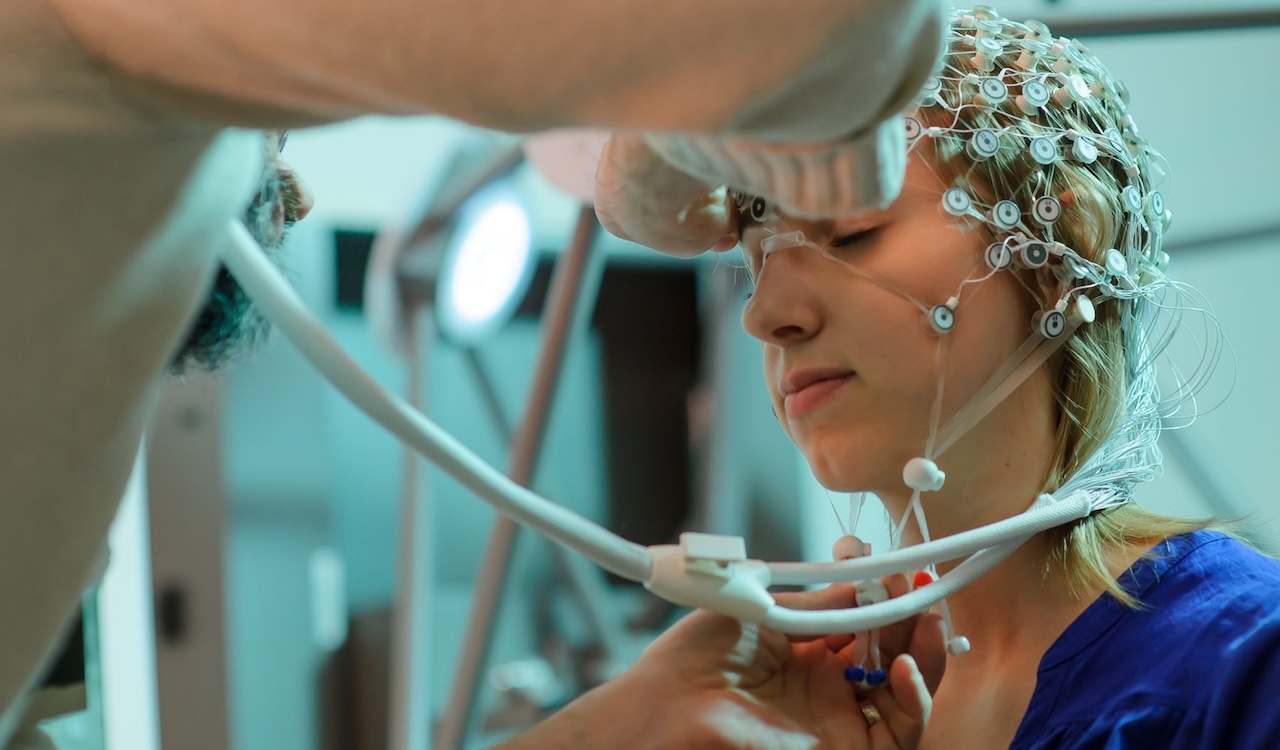
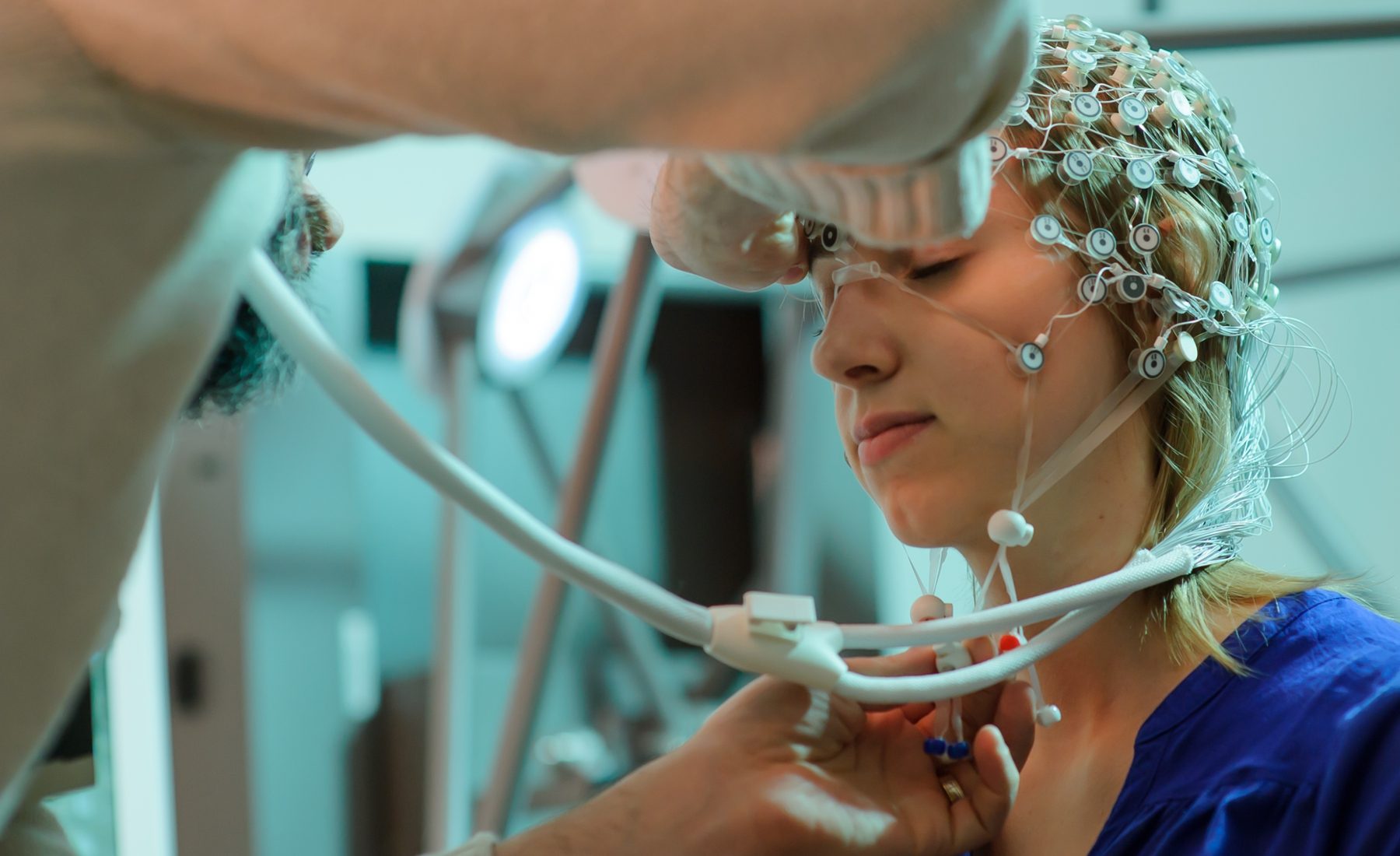
The core faculty in the Behavioural Neuroscience Program have active, productive research labs and have national/international reputations. The faculty research programs represent diverse facets of behavioural neuroscience and are supported by funding from agencies such as NSERC, CFI, CIHR, ahd SSHRC. Most faculty members of the Behavioural Neuroscience Program are also members of the Centre for Neuroscience, which provides opportunities for collegial, collaborative, and interdisciplinary research. Faculty labs are equipped for many techniques including electrophysiological and other psychophysiological recordings, neuroanatomical and neurophysiological measures such as immunohistochemistry, radioimmunoassay, enzyme-linked immunoassays, and the analysis and quantification of a wide-variety of cognitive and social behaviours.


Key Research Questions Include Investigation of:

  • the neuroanatomical and neuropharmacological mapping of neural regions controlling ultrasonic vocalizations, and the relationship between ultrasonic vocalizations and affect.
  • the neural correlates of attentional processes.
  • electrophysiological investigation of visual information processing
  • developmental and age-related change in cognitive and emotional function.
  • electrophysiological investigation of sleep.
  • behavioural consequences of sleep deprivation.
  • behavioural and electrophysiological investigations of dual-task attention.
  • the long-term sequelae of closed head injury.
  • the relationship between performance and neuroendocrine function.
  • role of experience in early life and in adolescence in shaping brain development and later vulnerability for depression, anxiety, and drug abuse using animal models.
  • electrophysiological and endocrine correlates of risk-taking behaviours and individual differences in sensitivity to rewards and punishments.
  • the development of perceptual expertise, with an emphasis on face perception.
  • the impact of early experience on perceptual and cognitive development.

Behavioural Neuroscience Lab Websites: