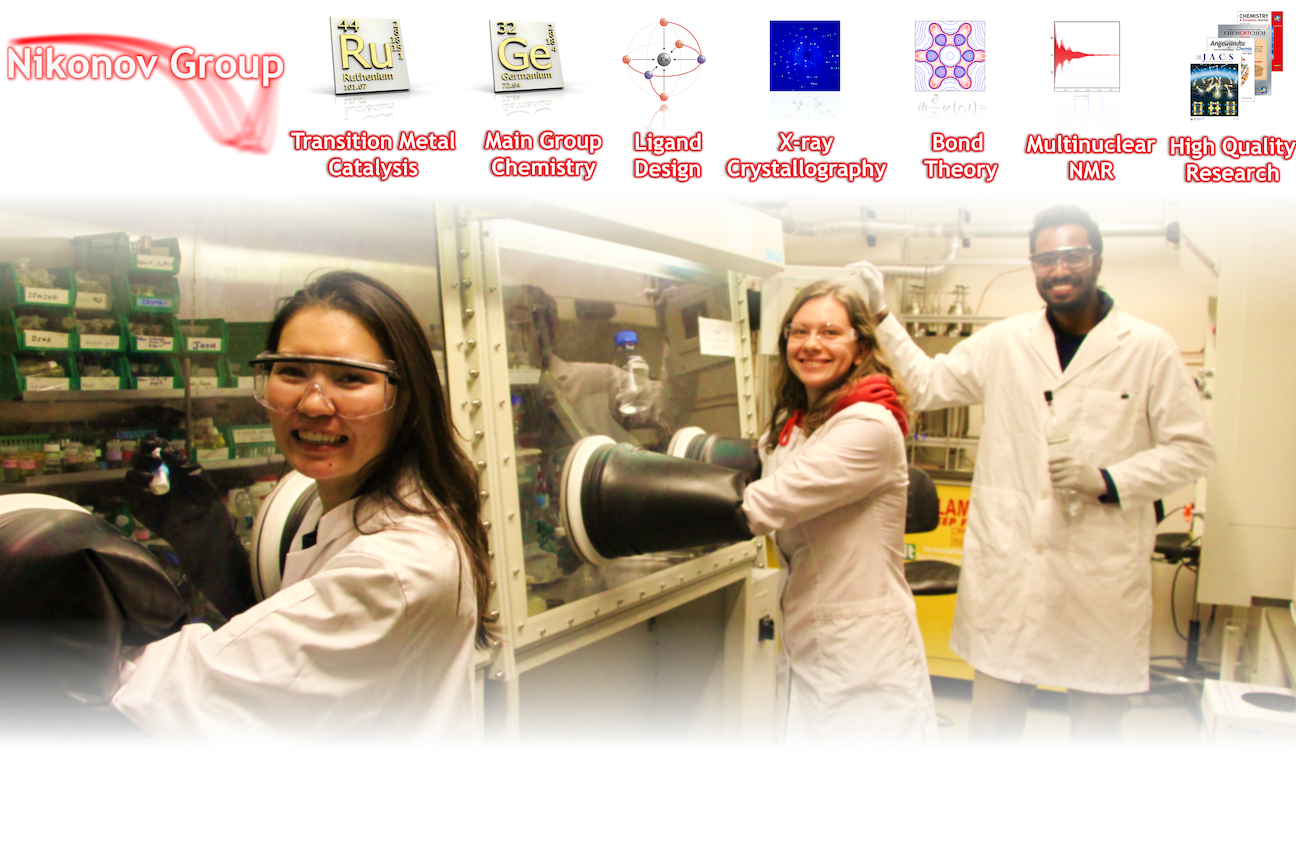
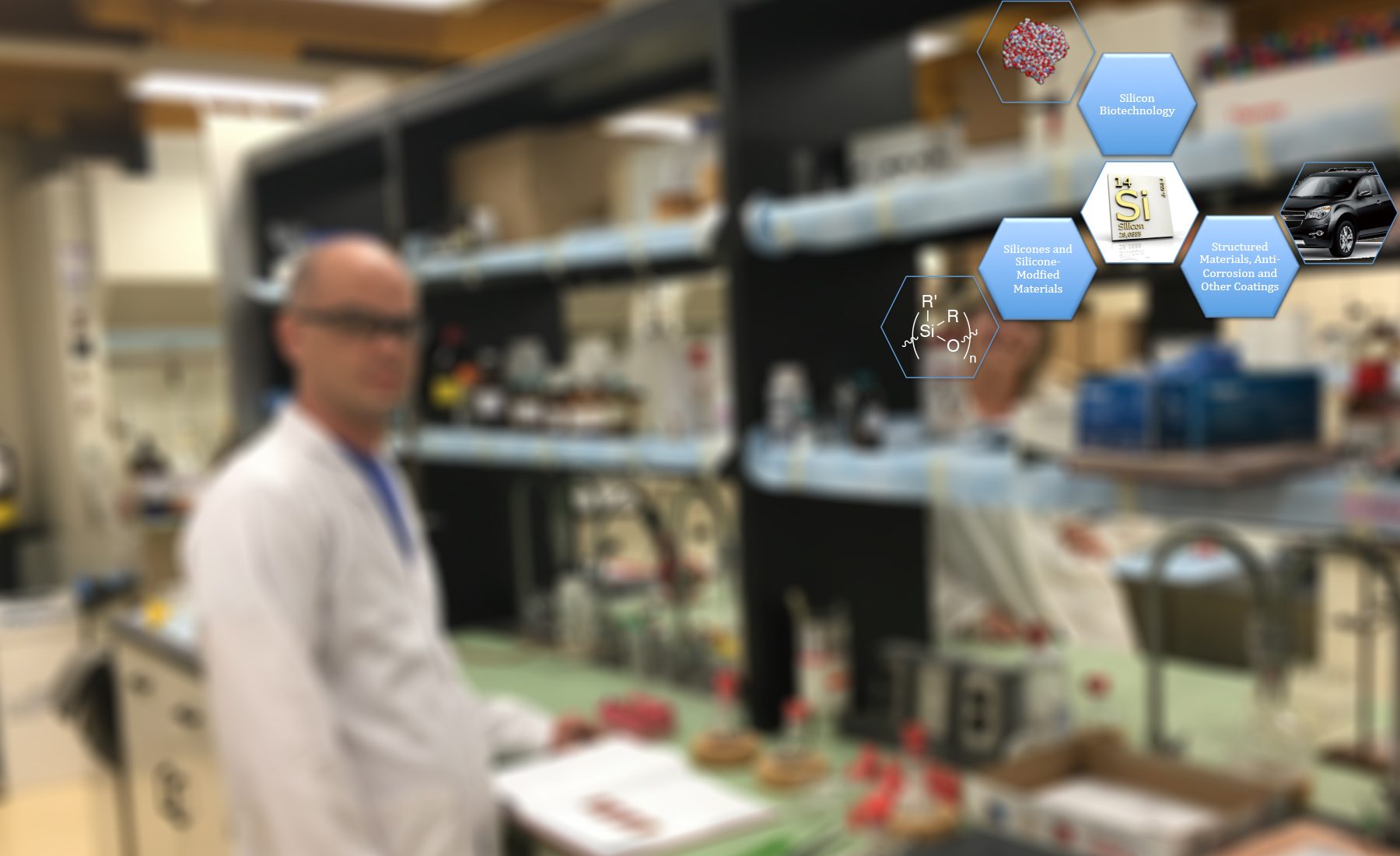
Welcome to the Brock University Department of Chemistry. Our cutting edge research and innovative lab sessions put the education of our students first.
Welcome From The Chair
I am pleased to welcome you to the website for the Department of Chemistry at Brock University. You may have arrived at this page for a number of different reasons: as a prospective student looking for details on our undergraduate programs; as a chemistry graduate, considering research opportunities with our faculty; or as an alumnus, media person, or friend, peeking in to see what we are doing. I welcome you all.
We currently have 13 full-time faculty. These are talented teachers and researchers, who are continuing our tradition of exemplary instruction, while adding to our strong record of investigator driven, externally funded research.
I trust that you will find what you are looking for during your visit, but if you do not, please feel free to contact me or any of the faculty. We will be pleased to assist you with any questions you may have.
Paul Zelisko
Departmental Chair
[email protected]


