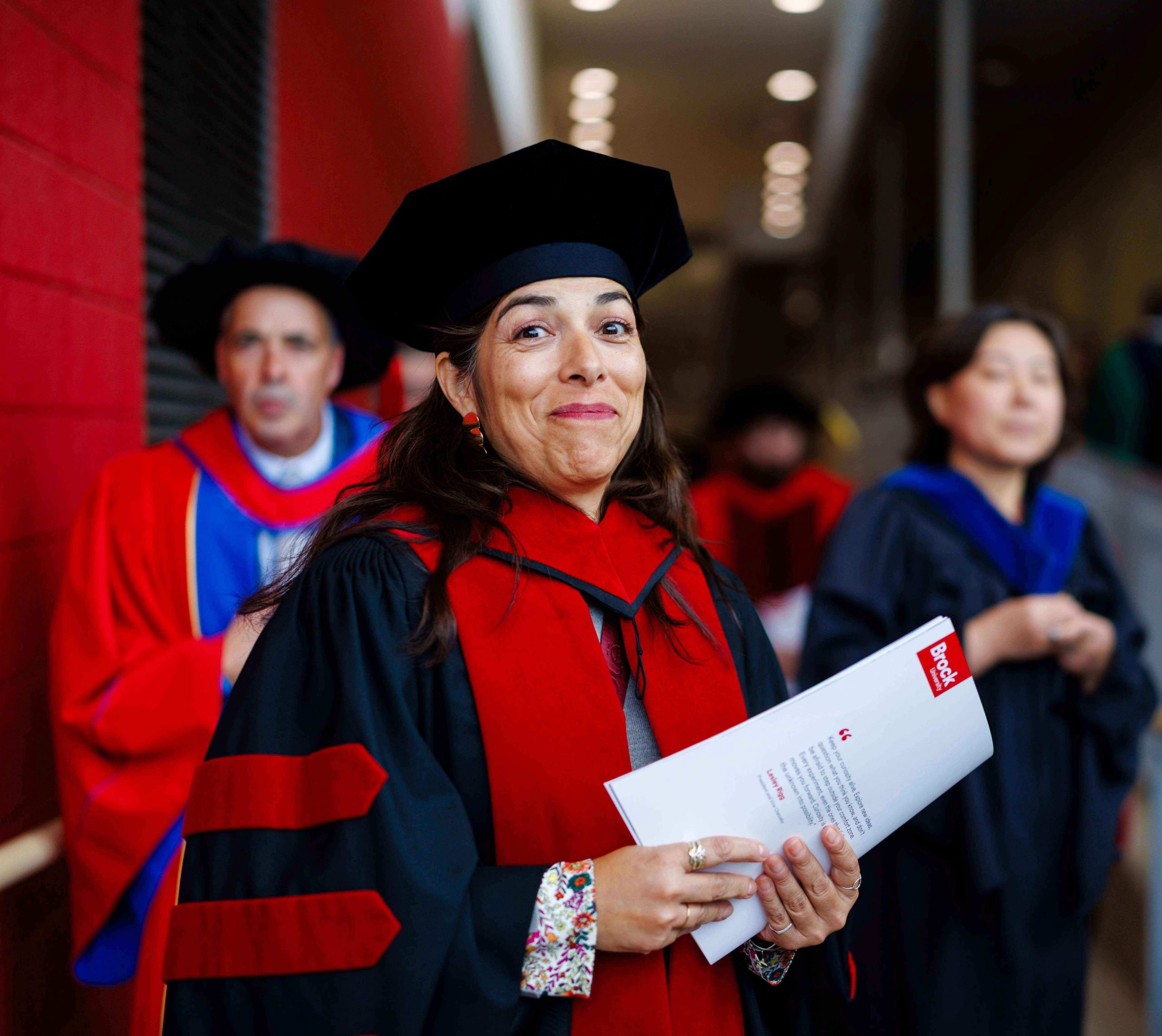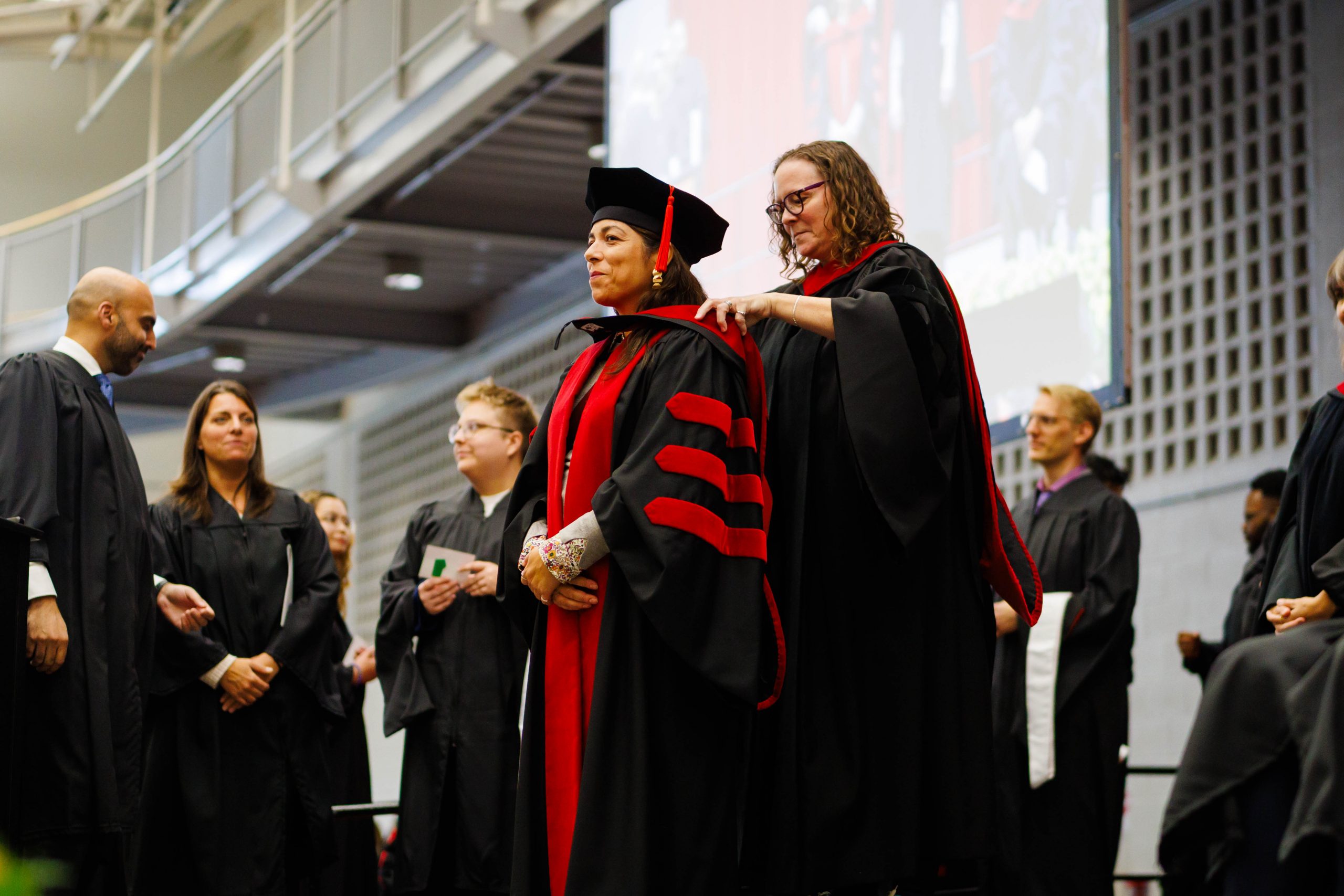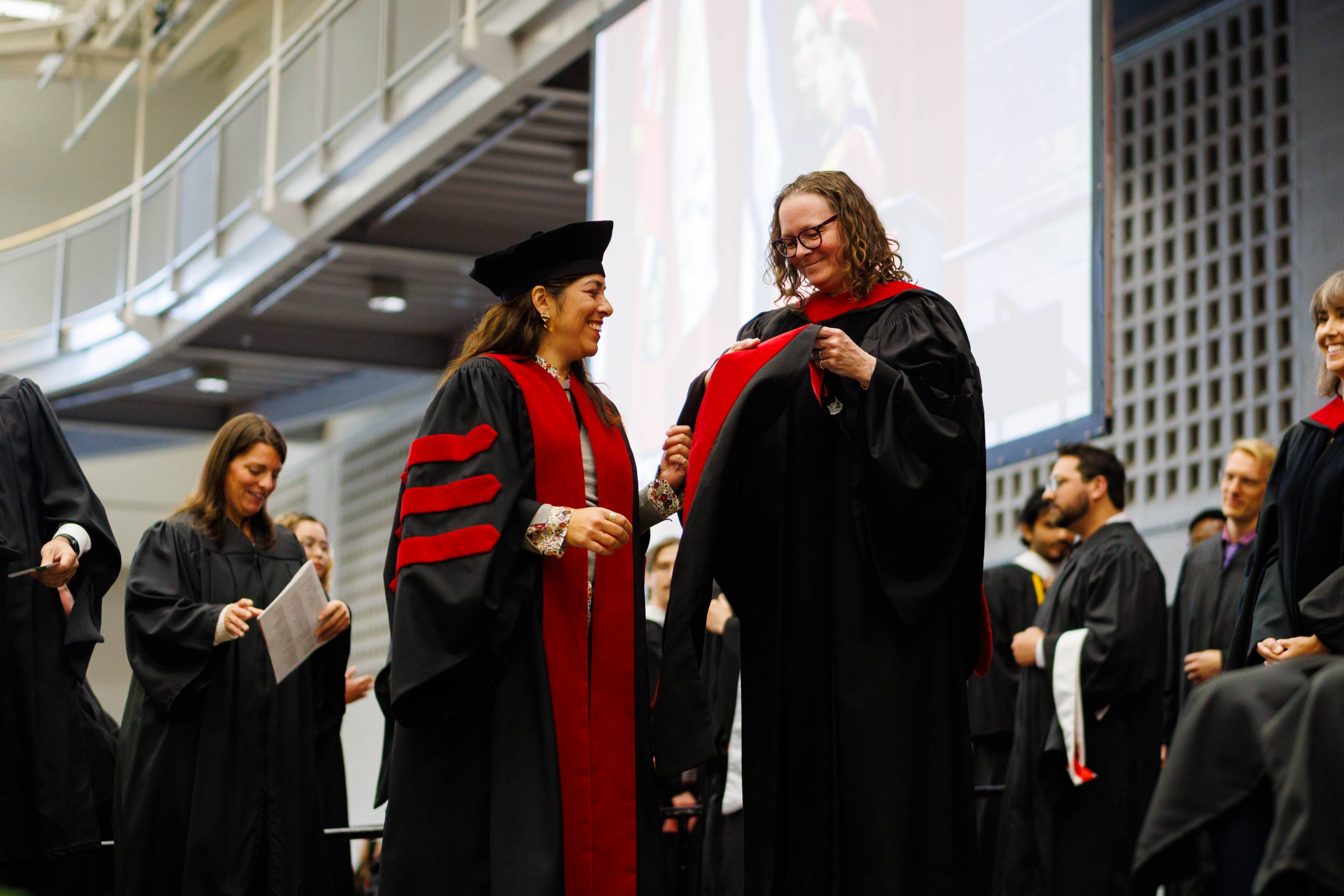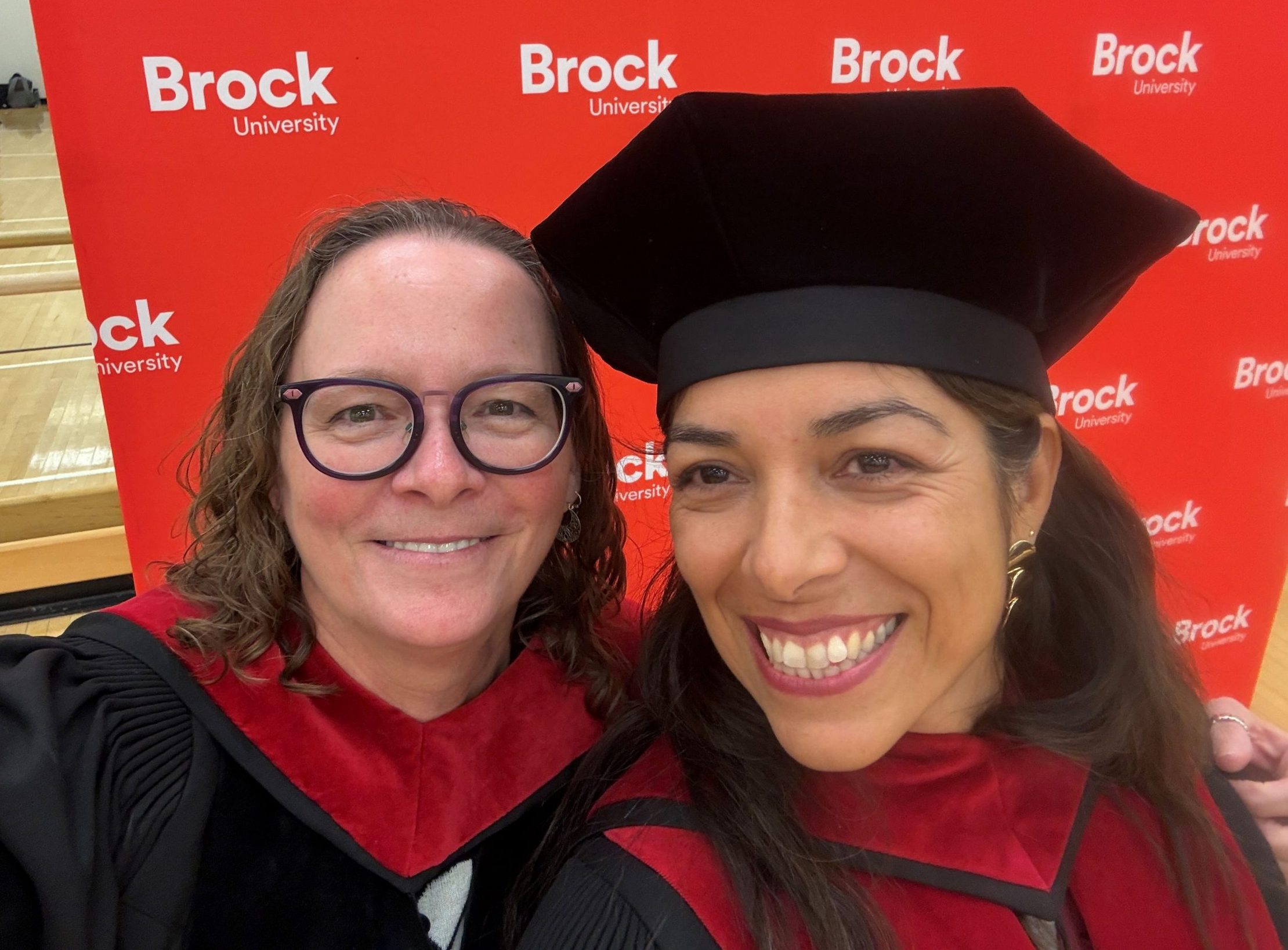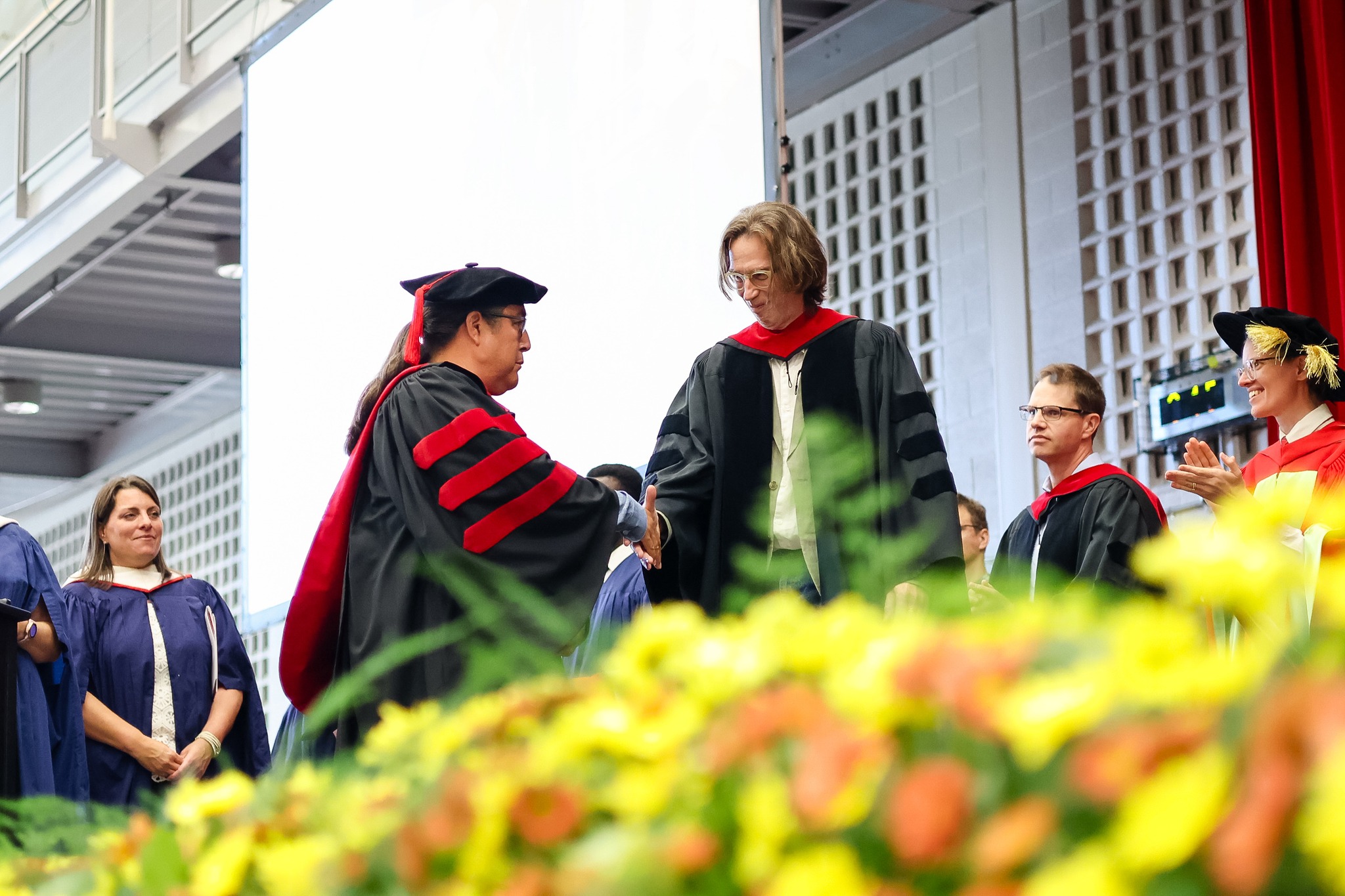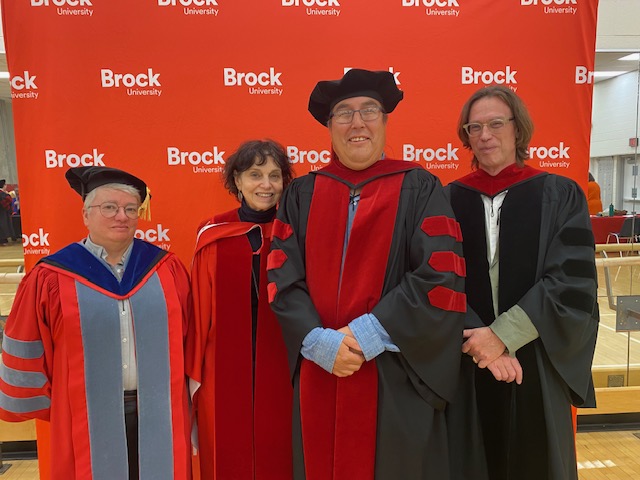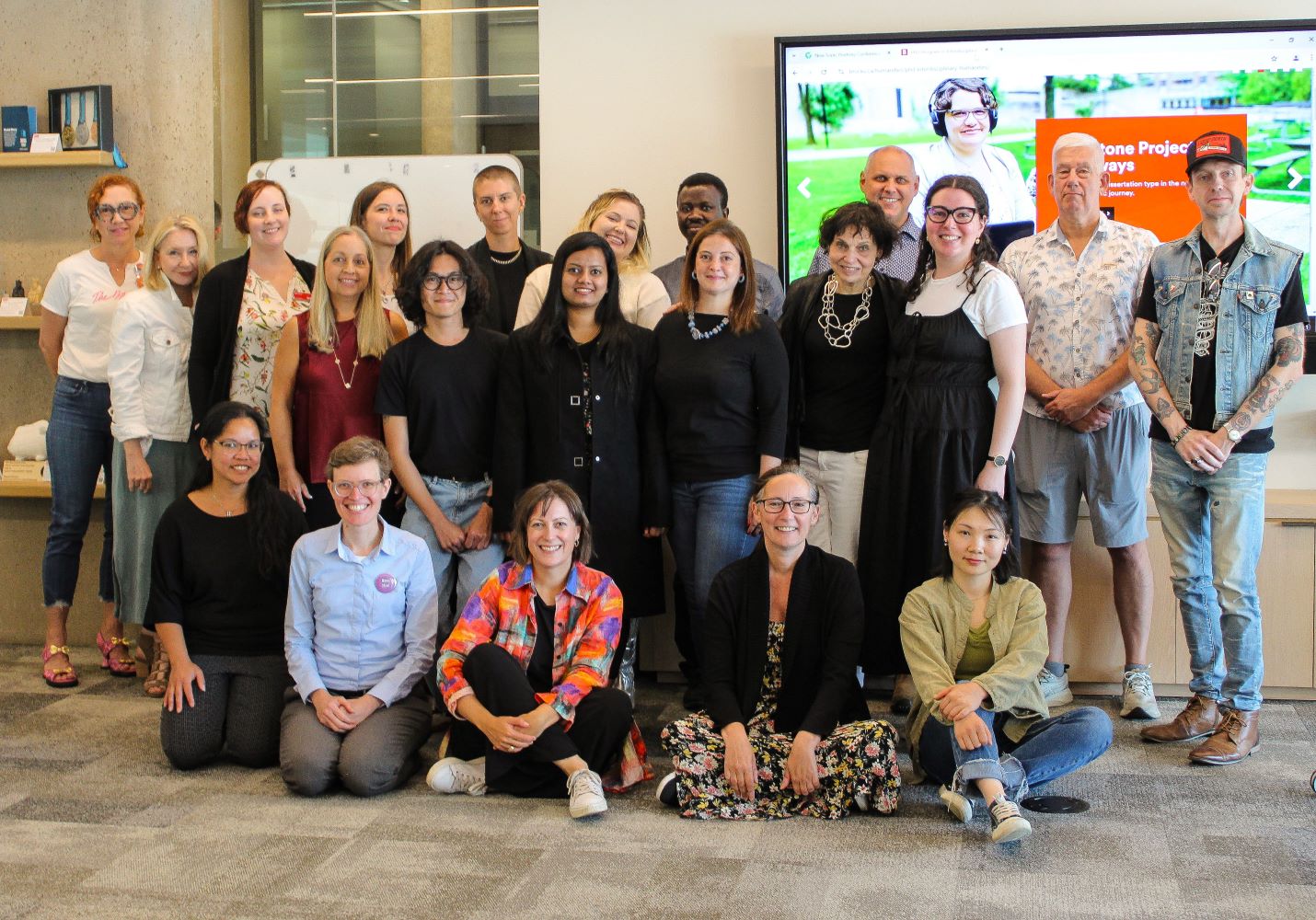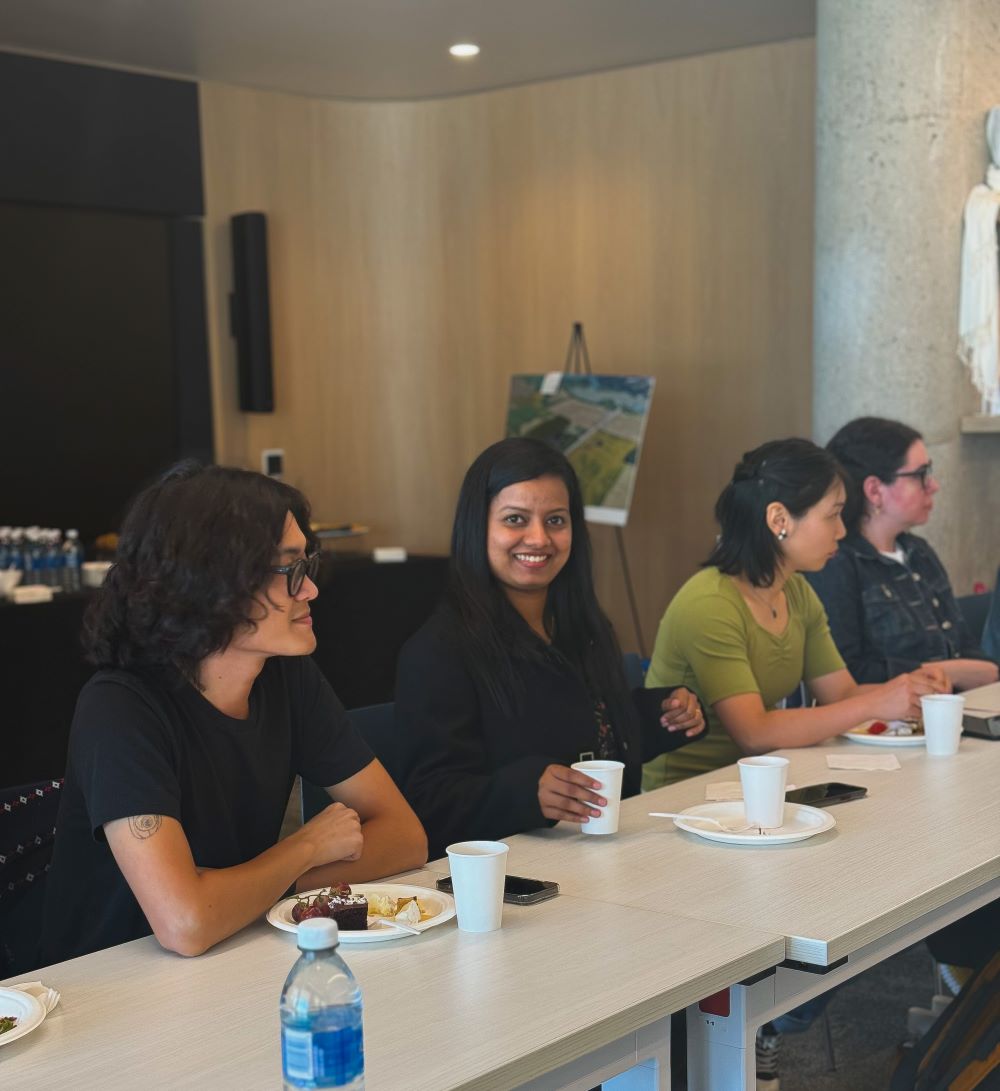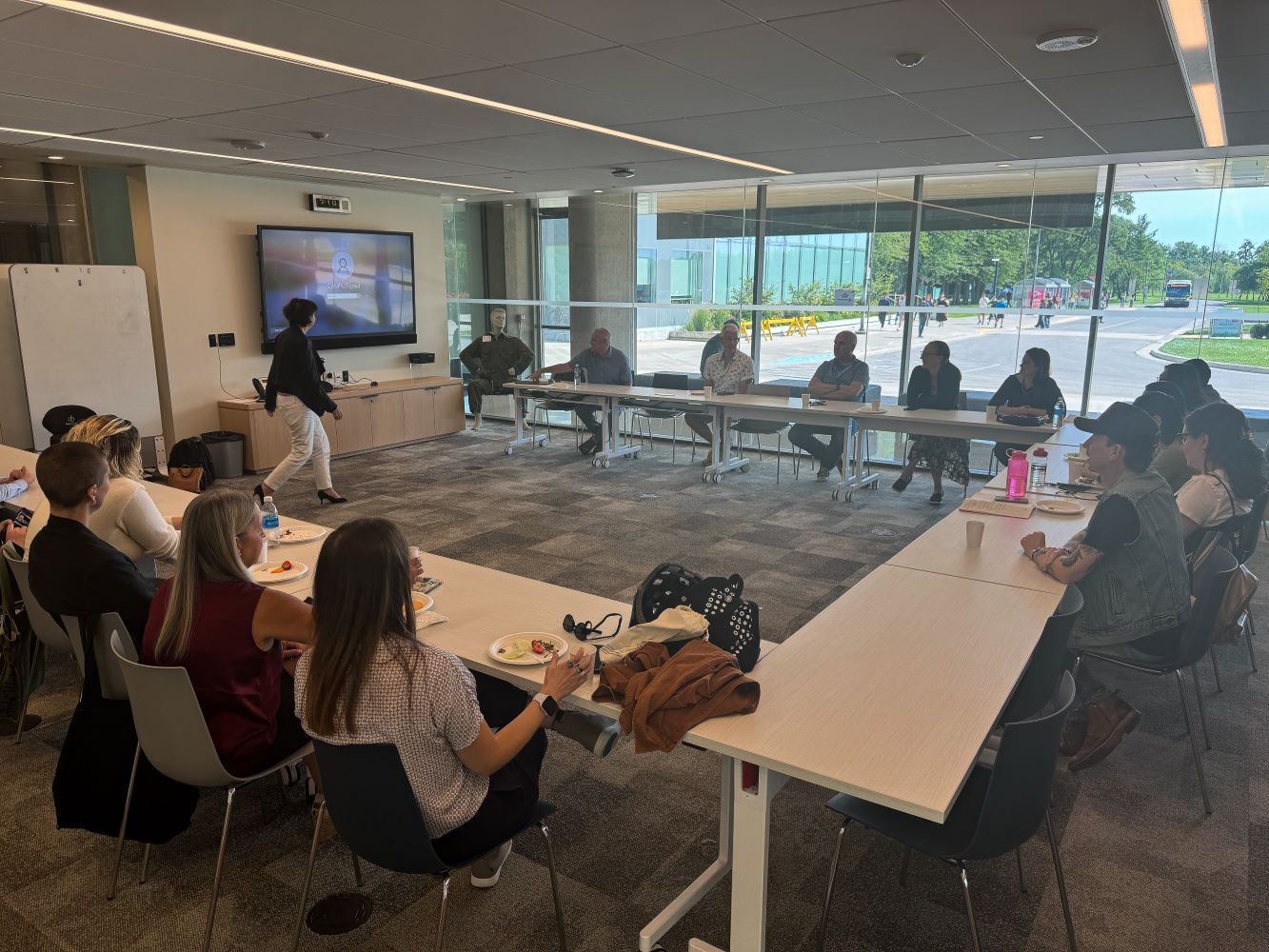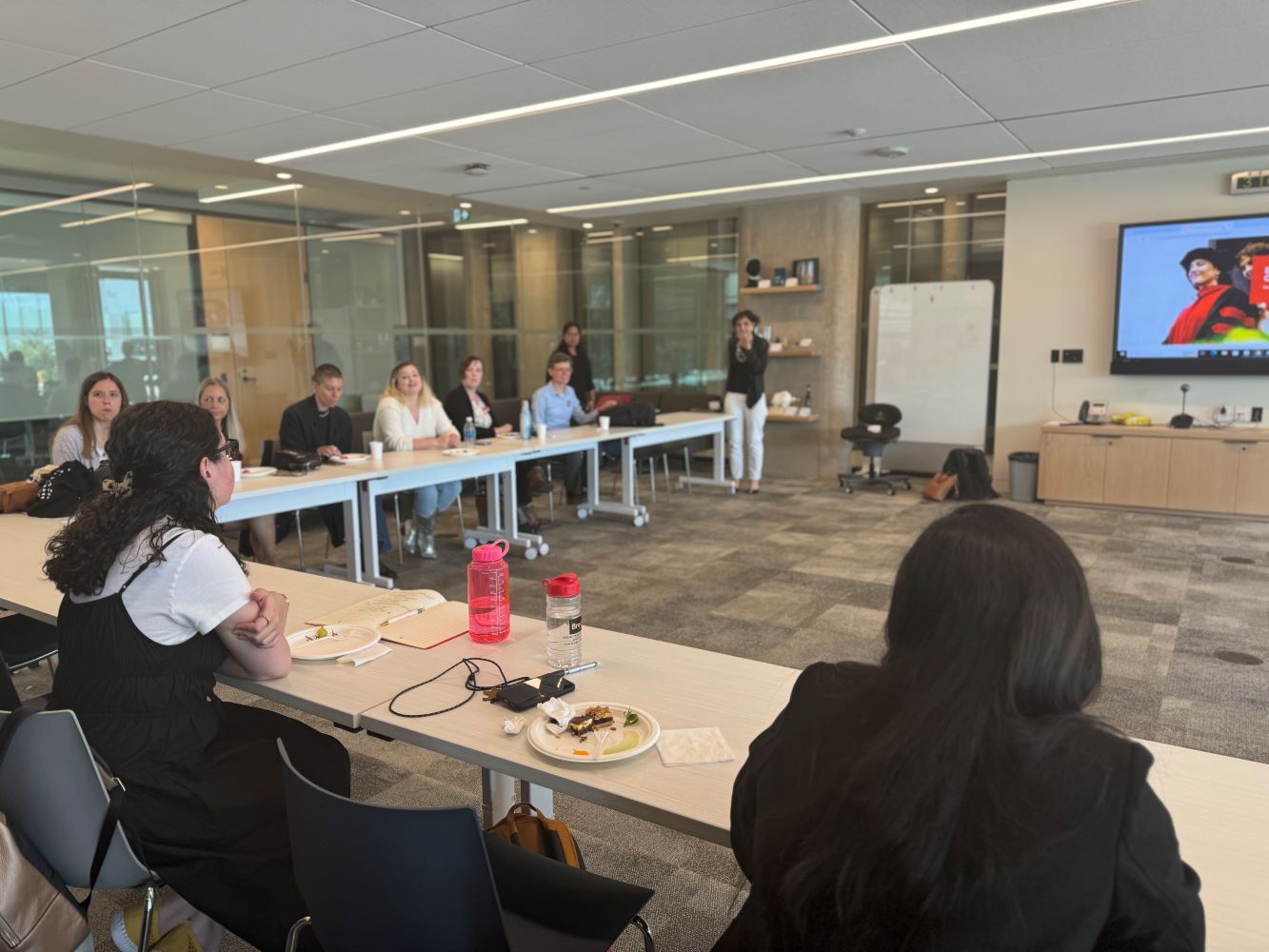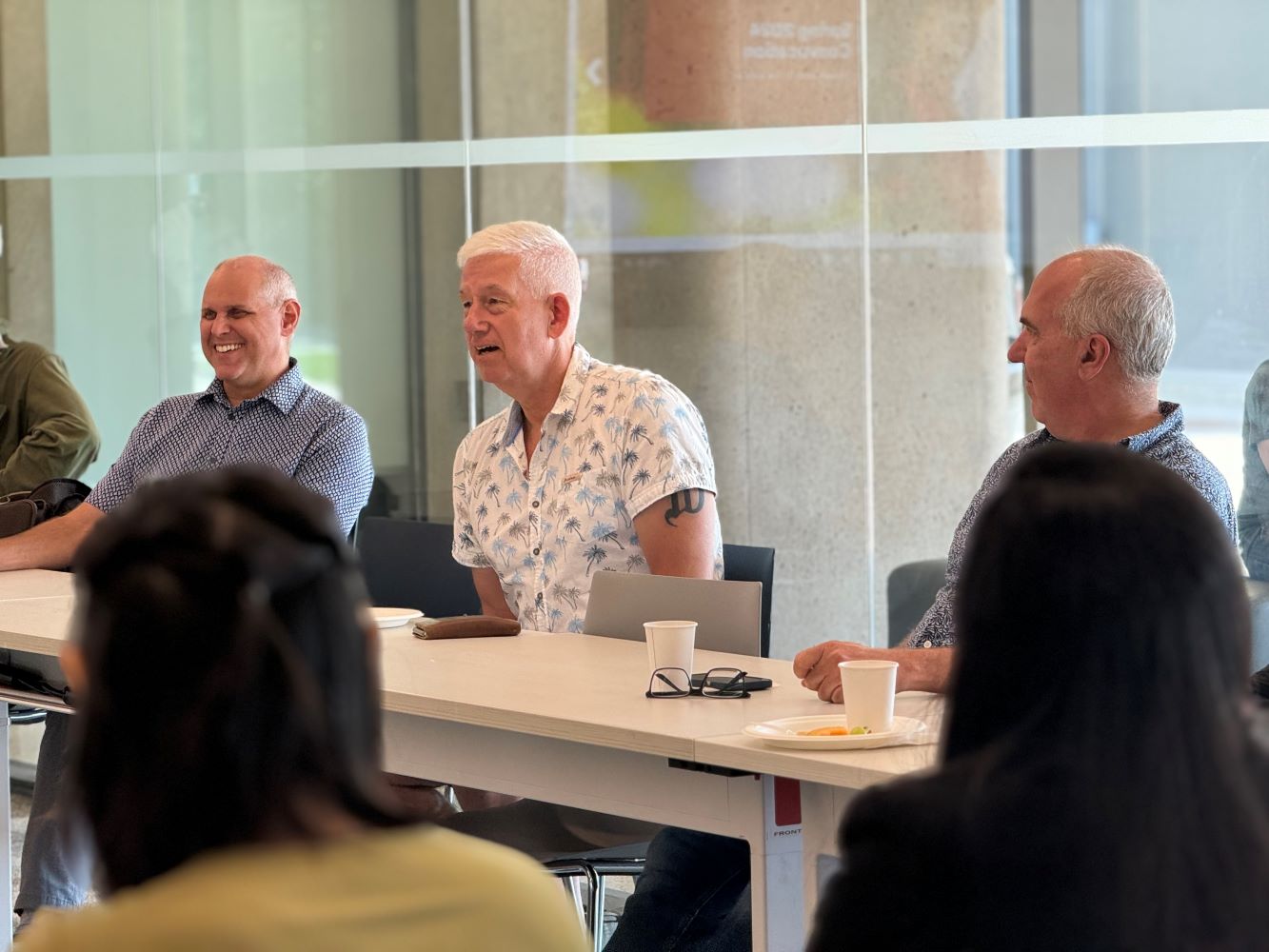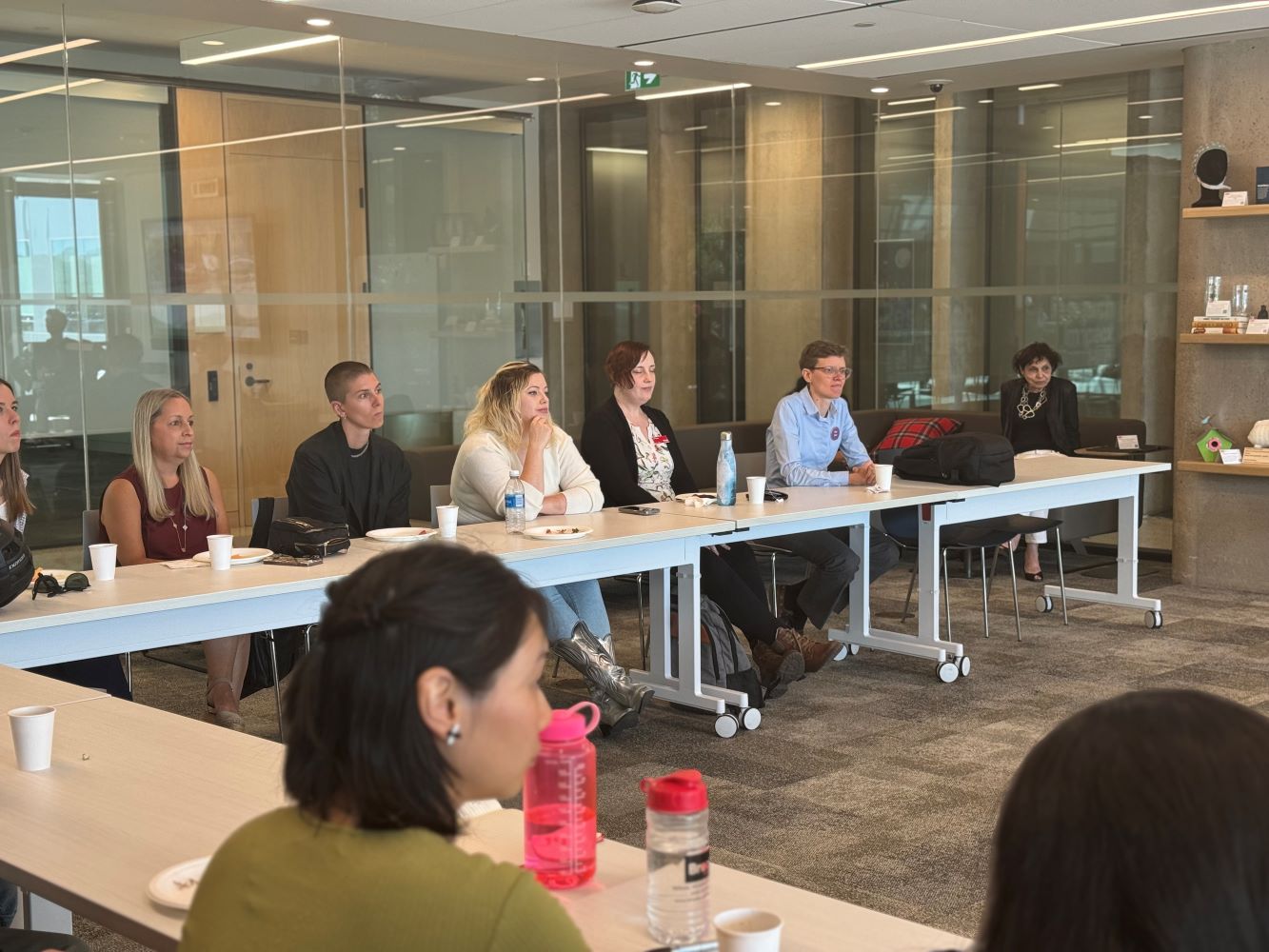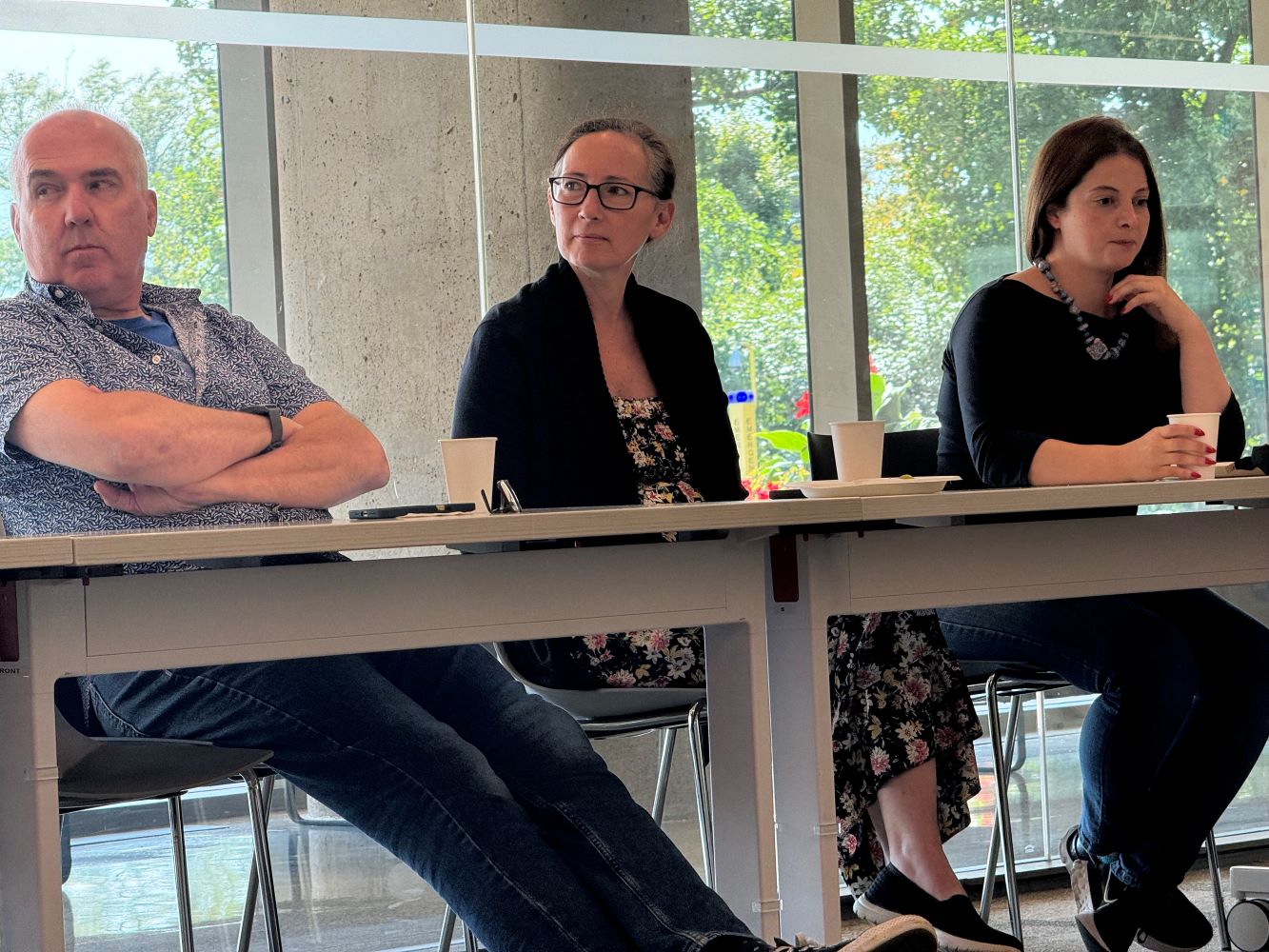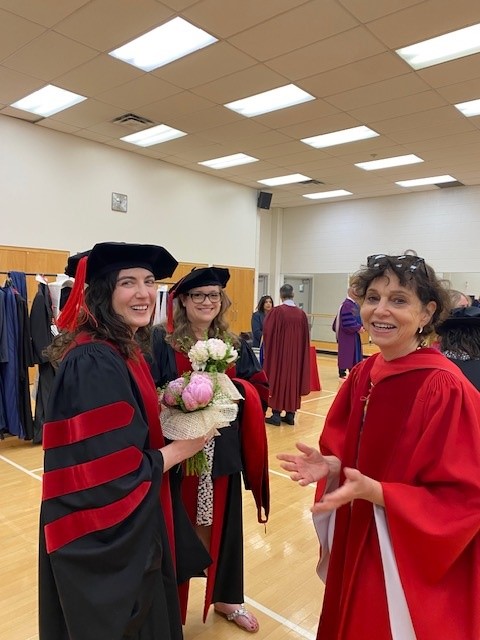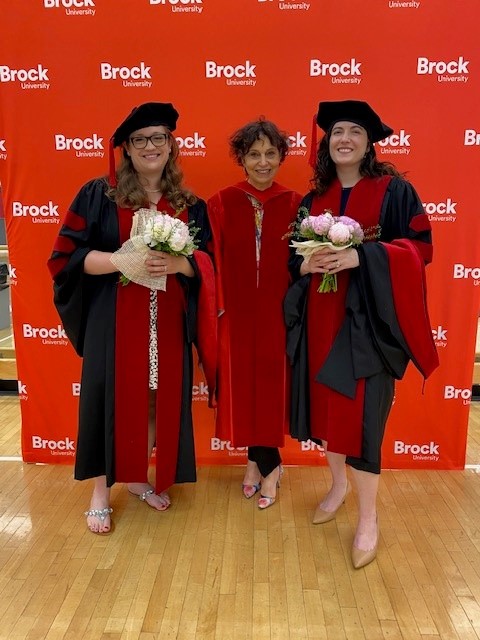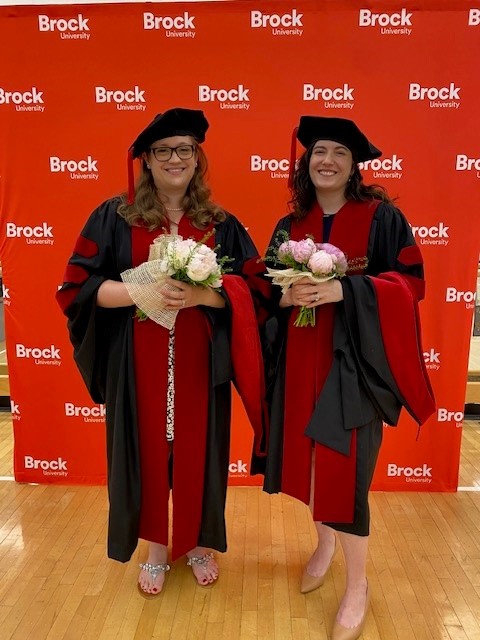

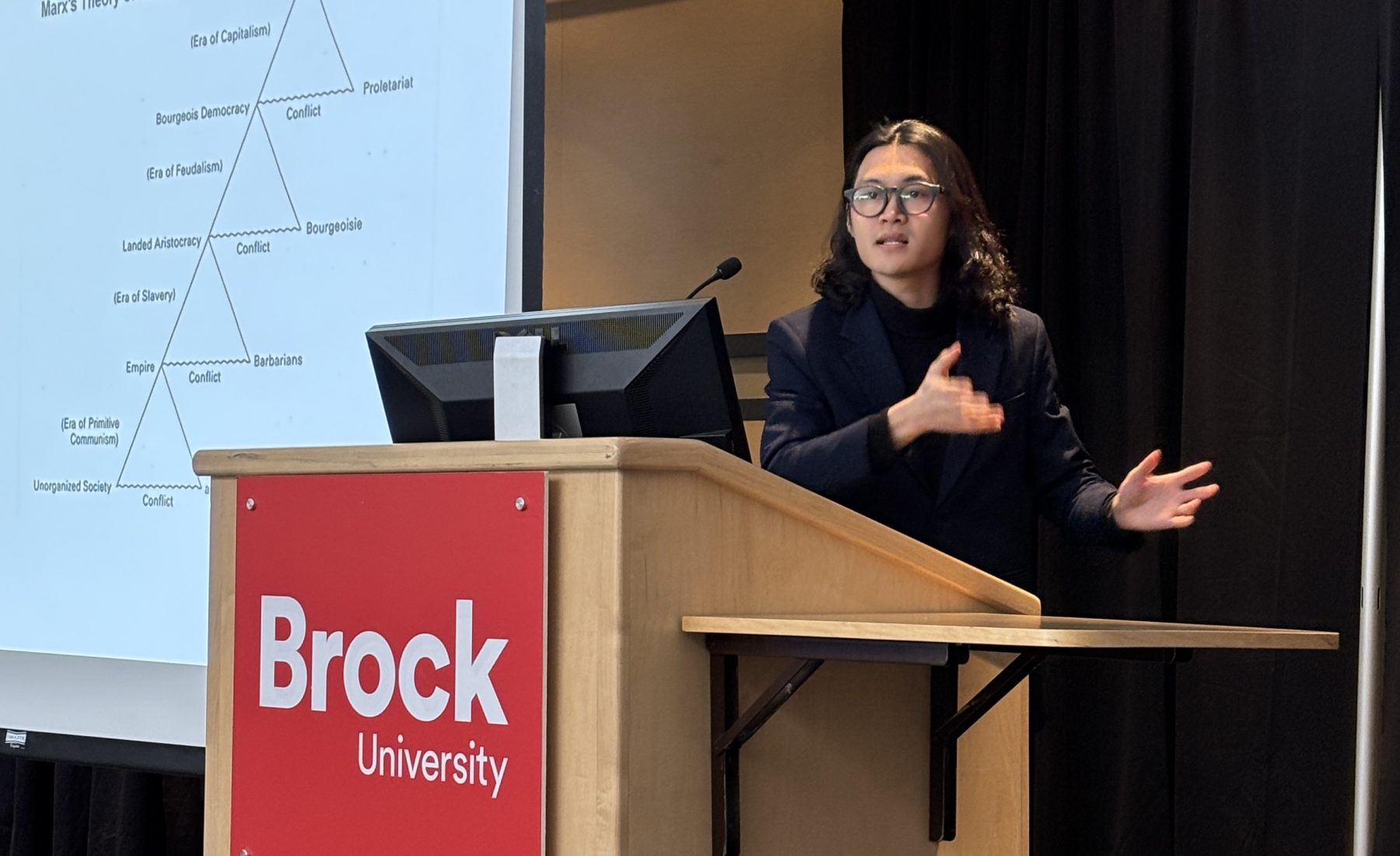
Our interdisciplinary program fosters collaborative and intensive knowledge creation to approach real-world problems. In today’s global reality the importance of a responsible and informed global citizenship is part of the ethos of the PhD in Interdisciplinary Humanities program as embodied in its commitment to giving our students the opportunity to dialogue and collaborate across disciplines while also critically engaging with wider communities of inquiry. PhD students are the next generation of idea creators and knowledge producers and our program aims to support them to be successful at becoming the agents of change this complicated world needs.
The PhD Program in Interdisciplinary Humanities offers students fully-funded, innovative opportunities to fulfill their academic goals.
Program Features
Capstone Projects
- The innovative design of our four-year PhD program provides our students with four different ways of finalizing their PhD degrees: traditional written thesis, research-creation, suite of essays, and thesis by project.
Funding
- Fully-funded scholarships are guaranteed for four years for both domestic and international students.
- Our PhD students also demonstrate a strong track record of success in securing external grants and scholarships from provincial and national award agencies, thus significantly increasing their funding packages.
Coursework
- In Year 1 and Year 2 of their studies, students take a total of 6 courses to complete their coursework.
- Students also benefit from our Professionalization Seminar, a valuable bridge between academic study and professional life.
Teaching
- Our students are guaranteed Teaching Assistantships (TA) for two terms for each of their four years, as part of their funding packages.
- Our students also have the opportunity to apply for Instructor positions at Brock University, at various departments, in their 3rd and 4th Years.
Students
- Students come from all corners of the globe and enter the program with an MA or MFA.
- They have diverse disciplinary backgrounds including–but not limited to–Film Studies, English Literature, Comparative Literature and Arts, Architecture, Gender Studies, Library and Information Sciences, Indigenous Studies, Visual Arts, Cultural Anthropology, Theatre and Performance Studies, Philosophy, and Media Studies.
- Our students’ research interests include feminist theory, posthumanism, contemporary critical-animal studies, war games, public history, podcasting, textual agency and textual publics, Early Modern literature, and AI’s disruptive agency.
Completion and Careers
-
Our PhD students are actively engaged in knowledge mobilization and research dissemination. On average, students graduate having presented at 10 to 12 academic conferences, both nationally and internationally, and with a portfolio of 3 to 5 peer-reviewed publications.
- Over 75% of our graduates continue on to academic careers while others work in the private sector.
- Our PhD students graduate with transferable skills such as critical thinking, research proficiency, effective communication, project management, and collaborative teamwork.
Thank you to our PhD students, Alison Innes, Evie Jones, Julie Gemuend and Liao Zixuan for providing pictures and artwork for the program website.
The Brock News

Thesis defences — March 16 to March 20
March 13, 2026
Thesis defences — Dec. 15 to Dec. 19
December 12, 2025
Thesis defences — Dec. 8 to Dec. 12
December 5, 2025