
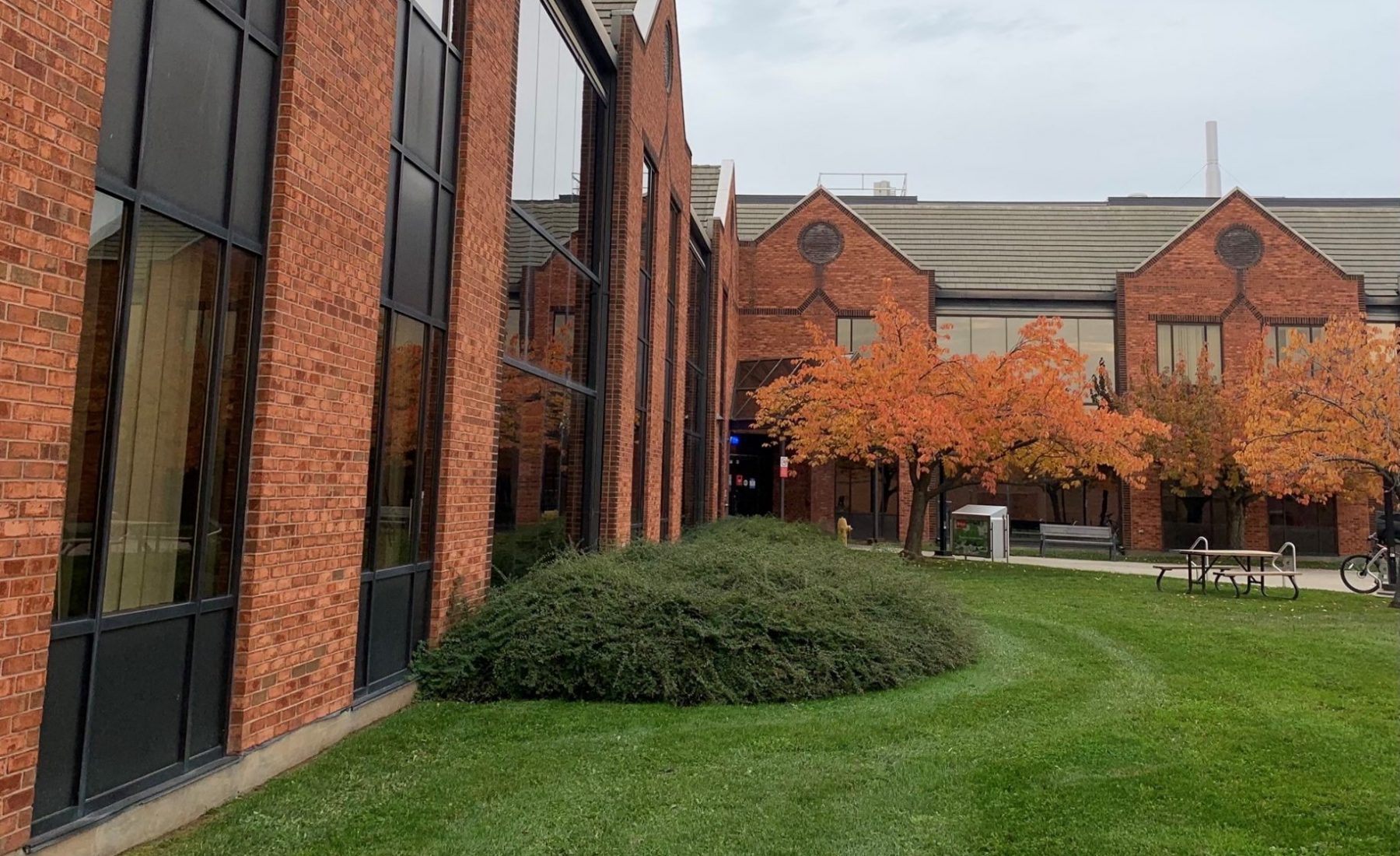
Brock’s English Department offers challenging academic studies combined with practical experience in critical thinking and in writing. Our programs allow you to study contemporary and historical literary texts written in English within their cultural contexts, to gain strong writing and analytical skills and to improve your public speaking skills, through our small seminars. The Department of English Language and Literature is a research-focused and collegial academic unit that prizes dynamic and effective undergraduate and graduate teaching, engaging creative activity, and meaningful service to the university, to the academic community, and to the broader communities in which the Department is situated. The undergraduate literature program focuses on an understanding of the traditions, themes and dynamics of imaginative writing in English, within its various historical and cultural contexts. The graduate program with its field of “Text/Community/Discourse” extends this emphasis. The undergraduate program in English and Creative Writing combines the study of literature with small, writing workshop courses in multiple genres. The program in Writing, Rhetoric, and Discourse Studies focuses on the theoretical and practical applications of writing in a range of cultural and professional contexts.
The Department aims in all of its programs to foster an informed, creative, and critical intelligence, a mastery of the best uses of language, and an appreciation for the social and personal centrality of powerful imaginative and expository writing across times and cultures.

Recent Comments