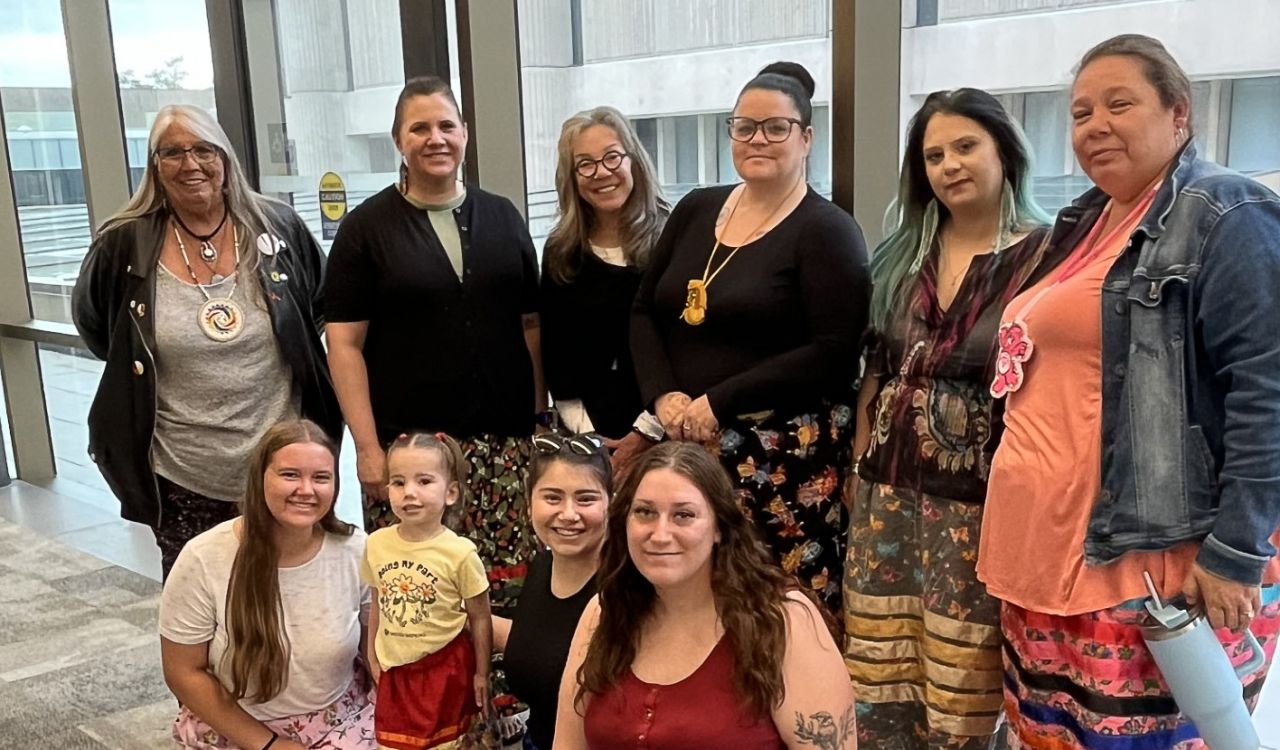
Brock brief looks at affordability of child care for Niagara families
A mother in the Niagara Region would have to earn almost $38,000 a year to feel that it was affordable to return to work after having just one child.
Long-standing pollution in the Niagara River and its many effects have been reported ever since Great Lakes-focused cleanup efforts began in 1987. Although water quality has improved significantly, toxins continue to be present in the surrounding ecosystem, resulting in loss of fish and wildlife habitats, degradation of water organisms, restrictions on eating fish, and beach postings.
Everyone knows that living in poverty hurts the people directly affected. But a new economic analysis shows that the consequences of poverty are hurting everyone in Niagara - to the tune of $1.38 billion each year in lost productivity, disproportionate health care expenses, and other direct and indirect costs.
Educators and the general public must avoid viewing children from low-income families as lacking, says recent research from the Niagara Community Observatory.
Farmers markets in Niagara are more than just a pretty face. They attract money, build communities, and encourage the development of new businesses.
The next municipal election is a few years away, but the Niagara Community Observatory recommends we look at our regional structure now.
The Niagara Community Observatory will release a report on representation on municipal councils this week.
Here are some recent media appearances by Brock faculty and staff.
The Niagara Community Observatory has released a policy brief about social media and Niagara’s municipal election.
The Niagara Community Observatory will release a policy brief this week regarding social media and the recent municipal election.